


A study using slow-motion video examines bumblebee mouth and facial movements after tasting different substances. Researchers report that when bumblebees encounter something they prefer, they extend their glossa—an insect tongue-like structure—and make repeated mouth movements that resemble “lip licking.” When they encounter a substance they do not like, the bees shake their heads and wipe or manipulate their mouthparts, behaviours the researchers describe as “disliking”-like. The work is presented as evidence that bees show context-dependent responses that could be interpreted as emotion-like reactions. The study’s findings are published in the journal Proceedings of the National Academy of Sciences. Multiple outlets highlight that the researchers captured and analyzed these micro-expressions and that the pattern parallels similar “liking” and “disliking” responses previously studied in mammals. The reports note that the study contributes to ongoing scientific debate about whether insects have sentience, while focusing on observable behavioural indicators rather than claims about subjective experience.
Bumblebees show ‘liking’ and ‘disliking’-like facial behaviours, study finds
A study using slow-motion video examines bumblebee mouth and facial movements after tasting different substances. Researchers report that when bumblebees encounter something they prefer, they extend t...
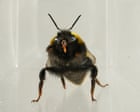
- Researchers record bumblebee mouth and facial movements using slow-motion video.
- After tasting preferred substances, bumblebees make mouth movements that resemble “lip licking.”
- After tasting non-preferred substances, bumblebees shake their heads and wipe their mouths.
- The behaviours vary with context (what the bees taste).
- The study is published in the journal Proceedings of the National Academy of Sciences.
Do bees have inner lives? Slow-motion video reveals bumblebee behaviour similar to ‘liking’ or ‘disliking’ The GuardianBumblebees shake their heads if they do not like food The TelegraphBumblebee facial movements give clues to their inner lives New ScientistBees reveal emotion-like reactions, from 'lip licking' to head shaking, in new videos Phys.orgBees ‘facial expressions’ may be a sign of their inner lives The Conversation
1 month agoBees respond to tasty treats or plain water based on context, study that may provide support for establishing insect sentience showsGet our breaking news email, free app or daily news podcastWhen bumblebees taste something good, they reach out their glossa – or insect tongue – for a while afterwards, almost as if they are licking their lips. And when they don’t like something, the insects will shake their heads and wipe their mouths.Scientists who captured the miniature facial expressions on slow-motion video say the behaviour is consistent with “liking” and “disliking” responses observed in mammals. Their results have been published in the journal Proceedings of the National Academy of Sciences. Continue reading...
1 month ago
Australian researchers develop cyborg cockroaches for delivering emergency injections in disasters
Scientists in Australia are developing “paraborg” cockroaches equipped with miniature injection devices and cameras to s...

Vietnam’s Central Highlands farmers shift from coffee to durian to meet Chinese demand
Farmers in Vietnam’s Central Highlands are replacing some coffee production with durian as they seek higher returns from...

Nepal to preserve DNA before burying unidentified flood victims
Nepal says it will preserve DNA and other identifying evidence from flood victims who cannot be identified before the bo...